
Corporate Law in Turkey: English-Speaking Corporate Lawyer in Antalya
Setting up and running a company in Turkey involves the trade registry, the tax office, notaries and a set of formal rules on how decisions are taken and recorded. A corporate lawyer in Antalya helps foreign shareholders choose the right structure, complete incorporation correctly and keep the company compliant once it is operating.
Alkan Law Office is an Antalya law firm that works with foreign founders, investors and family businesses in English. With an English-speaking lawyer handling the documents and filings, shareholders abroad can follow every step, and your Antalya attorney can represent the company before the trade registry, courts and public authorities.
Corporate Legal Services for Foreign Shareholders
Support across the life of a Turkish company — from incorporation and governance to share transfers, restructuring and exit.
Company Formation
Choosing between a joint stock company (A.Ş.), a limited liability company (Ltd. Şti.), a branch or a liaison office; drafting the articles of association and completing trade registry and tax registration.
Shareholder Agreements
Agreements that regulate voting, board appointments, transfer restrictions, pre-emption and tag-along rights, deadlock and exit — tailored to Turkish company law so they can be relied on in practice.
Contract LawShare Transfers & Acquisitions
Legal due diligence on the target company, share purchase agreements and completion of the formalities required for a valid transfer of shares in an A.Ş. or Ltd. Şti.
Escrow ServicesCorporate Governance & Compliance
General assembly and board resolutions, appointment and removal of directors, capital increases, amendments to the articles and ongoing trade registry filings.
Shareholder Disputes
Disputes over profit distribution, information rights, the validity of resolutions, managers’ liability and the exit of a partner, handled through negotiation, mediation or litigation before the commercial courts.
Commercial LawRestructuring & Liquidation
Mergers, conversions, closing a branch or dissolving and liquidating a company in an orderly way, including dealing with creditors and final registry filings.
Enforcement & BankruptcyCompany Law in Turkey: What Foreign Shareholders Should Know
Companies in Turkey are governed mainly by the Turkish Commercial Code No. 6102. Foreign individuals and companies can be shareholders, directors or managers in the same way as Turkish nationals, and no prior investment permit is generally required for setting up a company.
Most foreign investors choose either a joint stock company, which suits larger projects and more flexible share transfers, or a limited liability company, which is simpler to run but has stricter rules for transferring shares. The right choice depends on the business plan, the number of shareholders and how ownership may change in the future.
Documents signed abroad, such as passports, corporate certificates and powers of attorney, usually need to be notarised, apostilled and translated into Turkish by a sworn translator before they can be used at the trade registry.
- Turkish Commercial Code No. 6102Types of companies, incorporation, management, general assembly, share transfers, mergers and liquidation.
- Foreign Direct Investment Law No. 4875Equal treatment of foreign investors and the freedom to establish companies and branches in Turkey.
- Turkish Code of Obligations No. 6098General contract law applying to shareholder agreements and share purchase agreements.
- Trade Registry RegulationProcedures for registering companies, resolutions and changes with the trade registry office.
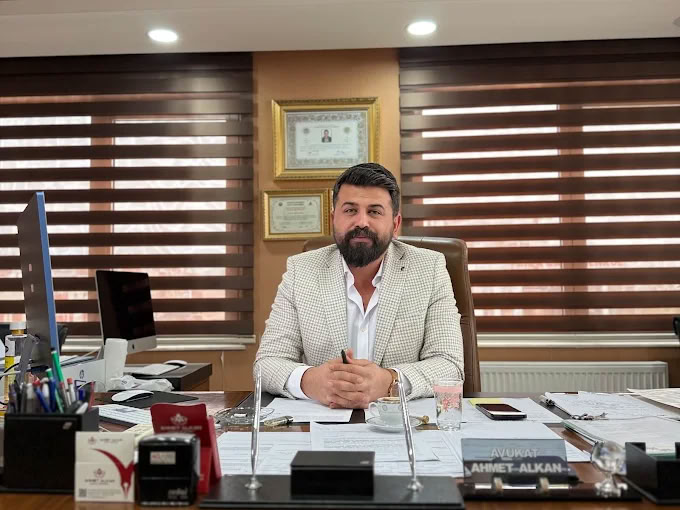
Send a short summary of your situation in English. Attorney Ahmet Alkan will review it and explain your options and the next steps — whether you are in Antalya or abroad.
How Company Formation Works in Turkey
A typical incorporation for a foreign-owned company follows the steps below. The timing depends mainly on how quickly the documents from abroad are prepared.
- 01
Structure & Documents
The company type, capital, shareholders and managers are agreed, and identity and corporate documents from abroad are notarised, apostilled and translated.
- 02
Tax Numbers & Articles
Turkish tax numbers are obtained for foreign shareholders and the articles of association are drafted to reflect the agreed governance.
- 03
Registry Filing
The company is registered with the trade registry office and its establishment is published in the Trade Registry Gazette.
- 04
Post-Registration
Tax office registration, commercial books, a bank account, social security registration and the start of ongoing compliance obligations.
Tip for foreign founders: A shareholder agreement signed at the start is far easier to negotiate than one drafted after a disagreement. Agree on exit and deadlock rules before the company starts trading.
Corporate Law in Turkey: Frequently Asked Questions
Can a company in Turkey be 100% foreign-owned?
Yes. Foreign individuals and companies can own all of the shares of a Turkish company. Under the Foreign Direct Investment Law they are treated on equal terms with Turkish investors, subject to specific rules that apply in certain regulated sectors.
What is the difference between an A.Ş. and a Ltd. Şti. in Turkey?
A joint stock company (A.Ş.) is managed by a board of directors and its shares can generally be transferred more freely. A limited liability company (Ltd. Şti.) is managed by managers, is simpler to operate, but a share transfer requires a notarised agreement and the approval of the general assembly.
Do I need to be in Turkey to set up a company?
Not necessarily. A Turkish lawyer can act for you under a power of attorney issued at a Turkish consulate or signed before a notary abroad with an apostille. Some steps, such as opening a bank account, may still require the presence of an authorised person.
Does owning a Turkish company give me a residence permit?
Owning shares does not automatically give a residence permit. Shareholders who actively work in the company may apply for a work permit, and residence options depend on the individual circumstances and the rules applied by the migration authorities.
How are disputes between shareholders resolved in Turkey?
Many disputes are resolved by negotiation or mediation, especially if the shareholder agreement contains clear rules. Otherwise, claims such as annulment of general assembly resolutions or the liability of managers are heard by the commercial courts, and some claims are subject to short time limits.
Your Antalya Attorney
Need corporate legal advice in Turkey?
Attorney Ahmet Alkan is an English-speaking lawyer in Antalya who advises foreign shareholders and local companies on company formation, governance and shareholder matters, and represents them before Turkish courts and authorities.
The information on this page is general in nature, reflects Turkish law at the time of publication and does not constitute legal advice. For an assessment of your particular case, please consult a lawyer.


