
Yacht Purchase & Registration in Turkey: English-Speaking Yacht Lawyer in Antalya
Antalya and the Turkish Riviera are among the busiest yachting regions in the Mediterranean, and many foreign owners buy, build, berth or register their yachts here. A yacht lawyer in Antalya who works in English helps buyers check the vessel’s legal status, structure the purchase and complete registry and marina formalities without surprises.
Alkan Law Office, an Antalya law firm founded by Attorney Ahmet Alkan, gives yacht buyers and owners access to an English-speaking lawyer at every stage of a yacht transaction. As your Antalya attorney, the firm also handles disputes with sellers, shipyards and marinas.
How We Help Yacht Buyers and Owners
Legal support for private and commercial yacht owners — from the first offer to registration, berthing and beyond.
Legal Due Diligence
Checking registry records, ownership history, mortgages, liens and pending claims on the yacht before any deposit is paid.
Sale & Purchase Agreements
Drafting and negotiating the memorandum of agreement, deposit terms, inspection and sea trial conditions, delivery and closing documents.
Contract LawRegistration & Flag Procedures
Guidance on registry and flag options, deletion from the previous registry and the documents required for registration in the buyer’s name.
Ownership Structures
Advice on owning a yacht personally or through a company, and the legal and practical consequences of each option for foreign owners.
Corporate LawShipbuilding & Refit Contracts
Contracts with Turkish shipyards for new builds and refits, including payment milestones, specifications, warranties, delays and defects.
Secure Payment & Escrow
Escrow arrangements so that the purchase price is released to the seller only after title and delivery conditions have been met.
Escrow ServicesBuying a Yacht in Turkey: The Legal Basics
In Turkish law, yachts are treated as ships or as smaller vessels depending on their size and use, and their sale, registration and mortgages are governed by the maritime provisions of the Turkish Commercial Code and the related registry regulations. Commercial yachts used for charter are subject to additional licensing rules.
The main risks for buyers are hidden mortgages or arrests, unclear ownership chains, unpaid marina or crew debts and technical defects discovered after delivery. Most of these risks can be identified with registry checks, a survey and a carefully drafted purchase agreement.
A yacht lawyer in Antalya can coordinate these checks, review the documents in English and make sure the transfer is completed correctly.
- Turkish Commercial Code No. 6102 (Maritime Commerce)Ownership, sale, registration and mortgages of ships and yachts.
- Turkish Code of Obligations No. 6098Sale, construction and service contracts, defects and liability.
- Customs legislationRules on foreign-flagged yachts staying in Turkish waters and their temporary import status.
- International Arbitration Law No. 4686Arbitration of yacht sale and shipbuilding disputes with a foreign element.
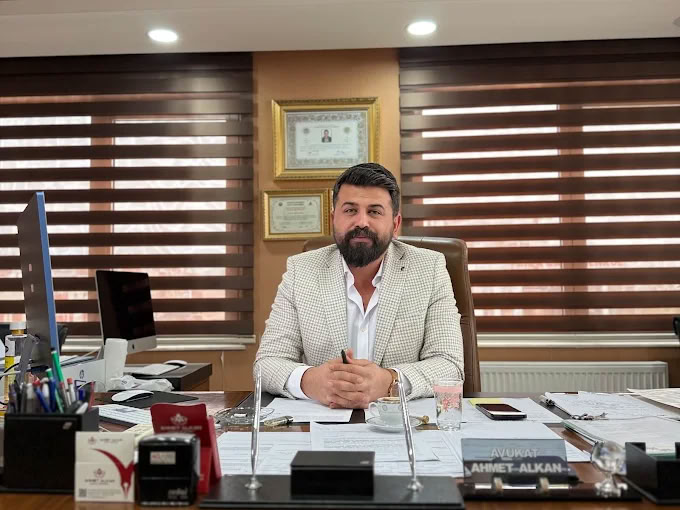
Send a short summary of your situation in English. Attorney Ahmet Alkan will review it and explain your options and the next steps — whether you are in Antalya or abroad.
How a Yacht Purchase Works in Turkey
A typical yacht purchase involving a foreign buyer follows these four stages.
- 01
Offer & Agreement
The parties sign a purchase agreement setting out the price, deposit, inspection, sea trial and closing conditions.
- 02
Checks & Survey
Registry records are checked for mortgages and claims, and an independent surveyor inspects the yacht.
- 03
Closing & Payment
Title documents are exchanged and the price is paid, ideally through escrow, against delivery of the yacht.
- 04
Registration
The yacht is deleted from the previous registry where necessary and registered in the buyer’s name under the chosen flag.
Tip for foreign buyers: Never transfer the full price before registry checks are completed and the closing documents are ready — a properly structured escrow protects both sides.
Yacht Purchase in Turkey: Frequently Asked Questions
Can a foreigner buy a yacht in Turkey?
Yes. Foreign individuals and companies can buy yachts in Turkey. The registry and flag options available depend on the buyer's nationality, the ownership structure and the intended use of the yacht, so these should be decided before the purchase agreement is signed.
How can I check whether a yacht has a mortgage or debt?
Registry records show registered mortgages and certain encumbrances. In addition, checks for court arrests, unpaid marina fees and crew claims are advisable. A lawyer can carry out these checks and request written seller warranties covering any remaining risks.
Can a foreign-flagged yacht stay in Turkey?
Foreign-flagged yachts can stay in Turkish waters and marinas under the applicable customs and transit log rules. The permitted period and conditions depend on current regulations and the yacht's status, so they should be confirmed before long-term plans are made.
What should a shipbuilding contract with a Turkish shipyard include?
It should clearly define the specifications, price and payment milestones, delivery date, delay penalties, warranty period, title and risk transfer, refund guarantees where available, and the dispute resolution method.
Do I need to be in Turkey to complete the purchase?
Not necessarily. With a power of attorney issued at a Turkish consulate, or signed before a notary abroad with an apostille, your lawyer can complete many steps on your behalf and keep you informed in English.
Your Antalya Attorney
Need legal advice on a yacht in Turkey?
Attorney Ahmet Alkan is an English-speaking lawyer in Antalya who assists foreign buyers and owners with yacht purchases, registration, shipbuilding contracts and related disputes in Turkey.
The information on this page is general in nature, reflects Turkish law at the time of publication and does not constitute legal advice. For an assessment of your particular case, please consult a lawyer.


