
Escrow Services in Turkey: Lawyer-Held Escrow in Antalya
When buyer and seller do not know each other, neither wants to move first: the buyer does not want to pay before the title deed is transferred, and the seller does not want to transfer before being paid. Escrow services in Turkey solve this by placing the money with a neutral party until the agreed conditions are met.
Alkan Law Office, an Antalya law firm, can act as escrow agent under a written escrow agreement signed by all parties. An English-speaking lawyer explains the release conditions to both sides, and your Antalya attorney verifies that each condition has been fulfilled before any funds are released.
When Escrow Protects Buyers and Sellers
Escrow is useful wherever a large payment and the transfer of an asset cannot happen at exactly the same moment.
Property Purchases
The purchase price is held until the title deed is transferred to the buyer at the land registry office, free of the encumbrances agreed in the contract.
Real Estate InvestmentsYacht Transactions
Funds are held until the yacht is delivered and the change of ownership is completed in the relevant registry, after the agreed inspections.
Yacht Purchase & RegistrationShare Transfers
Payment for shares is released once the transfer has been validly completed and recorded in line with Turkish company law.
Corporate LawEscrow Agreement
A written agreement that sets out the amount, the release conditions, the evidence required, deadlines, fees and what happens if the transaction fails.
Contract LawCondition Checks
Before release, the documents that prove each condition — such as the new title deed or registry record — are checked against the agreement.
Transparent Release
Funds are transferred by bank to the account named in the agreement, and both parties receive written confirmation of each movement.
How Lawyer Escrow Works in Turkey
Turkish law does not have a separate escrow statute. A lawyer-held escrow is a contractual arrangement: the parties sign a written escrow agreement, governed by the Turkish Code of Obligations, which instructs the lawyer to hold the funds and release them only when specified conditions are met.
As an attorney, the escrow agent is bound by the professional duties of the Attorneyship Law No. 1136, including the duty to keep clients’ money separate and to act with care and honesty. The funds are held in a bank account and are not mixed with the firm’s own money.
Escrow is not a substitute for legal due diligence. It protects the payment, but the buyer should still check the property, yacht or company before agreeing to buy.
- Turkish Code of Obligations No. 6098Contract law governing the escrow agreement, the parties’ obligations and liability.
- Attorneyship Law No. 1136Professional duties of lawyers, including the handling of clients’ money.
- Land Registry Law No. 2644Title deed transfers, which are the usual release condition in property escrow.
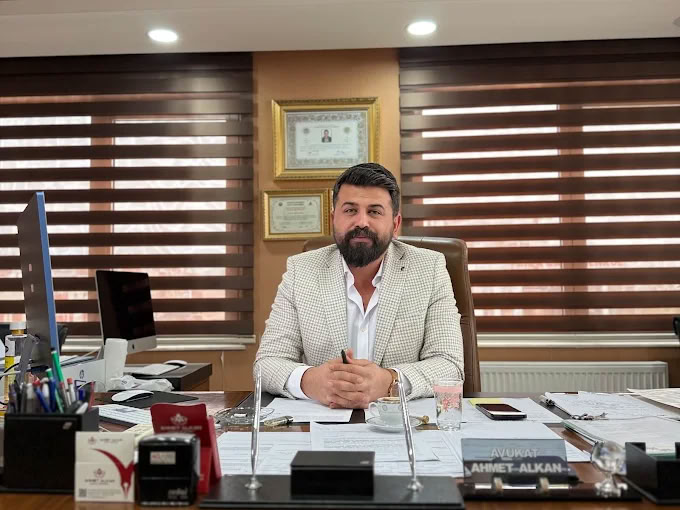
Send a short summary of your situation in English. Attorney Ahmet Alkan will review it and explain your options and the next steps — whether you are in Antalya or abroad.
The Escrow Process
Each escrow is tailored to the transaction, but the basic steps are the same.
- 01
Agree the Terms
Buyer and seller agree on the amount, the release conditions and the deadline, and the escrow agreement is drafted accordingly.
- 02
Sign & Identify
All parties sign the agreement and provide identity and bank details, and standard checks on the source of funds are carried out.
- 03
Deposit
The buyer transfers the agreed amount by bank to the escrow account and receives written confirmation of receipt.
- 04
Completion & Release
Once the transfer of the asset is completed and documented, the funds are released to the seller as set out in the agreement.
Tip for buyers and sellers: Make the release conditions objective and easy to prove, such as “issue of the title deed in the buyer’s name”, rather than general terms that could be disputed later.
Escrow Services in Turkey: Frequently Asked Questions
Is escrow legal in Turkey?
Yes. Although there is no separate escrow law, the parties can agree in a written contract that a lawyer or a bank will hold the funds and release them only when agreed conditions are fulfilled. The arrangement is governed by Turkish contract law.
Who can act as the escrow agent?
Banks and lawyers are the most common escrow agents in Turkey. A lawyer acting as escrow agent is subject to the professional duties of the Attorneyship Law and must keep the funds separate from the firm's own money.
What happens if the transaction does not go ahead?
The escrow agreement sets out what happens if the conditions are not met by the deadline. Usually the funds are returned to the buyer, less any amounts the parties have expressly agreed otherwise.
Can the escrow agent represent one of the parties?
The escrow role is neutral. Where the firm also represents one side in the transaction, this must be disclosed and accepted by both parties in the escrow agreement, so that the release rules remain clear and fair.
Does escrow replace legal due diligence?
No. Escrow protects the payment, but it does not check whether the property, yacht or company is free of problems. Due diligence should be completed before the escrow agreement is signed.
Your Antalya Attorney
Need a secure payment arrangement in Turkey?
Attorney Ahmet Alkan is an English-speaking lawyer in Antalya who structures escrow arrangements for property, yacht and share transactions and advises foreign clients on the legal side of each transaction.
The information on this page is general in nature, reflects Turkish law at the time of publication and does not constitute legal advice. For an assessment of your particular case, please consult a lawyer.


